April 2026
Electric Propulsion with Hydrogen Integration: Thruster System for the Neo Orbis Innovation Vessel
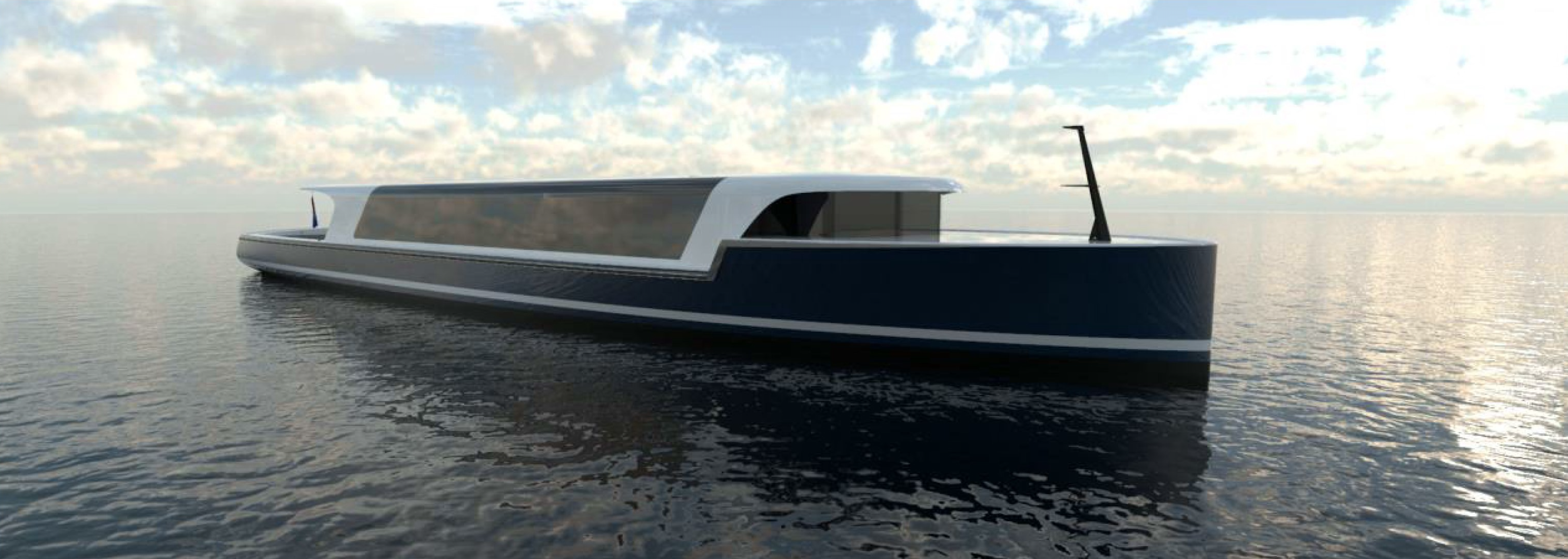
The maritime industry is rapidly transitioning towards zero-emission propulsion systems, combining electric propulsion with alternative energy sources such as hydrogen. The Neo Orbis, developed for the Port of Amsterdam, represents a world-first innovation vessel designed to demonstrate the future of sustainable shipping.
Current Motion contributed to this groundbreaking project by delivering advanced thruster technology as part of the vessel’s electric propulsion system.
Project Neo Orbis
The Neo Orbis is an innovation vessel built as part of the European H2SHIPS programme, focused on accelerating the adoption of hydrogen in maritime applications. The vessel serves as both:
- A representative vessel for the Port of Amsterdam
- A pilot platform for next-generation propulsion technologies
The vessel is being built on behalf of the Port of Amsterdam and is designed to operate on hydrogen in powder form—making it the first vessel of its kind.
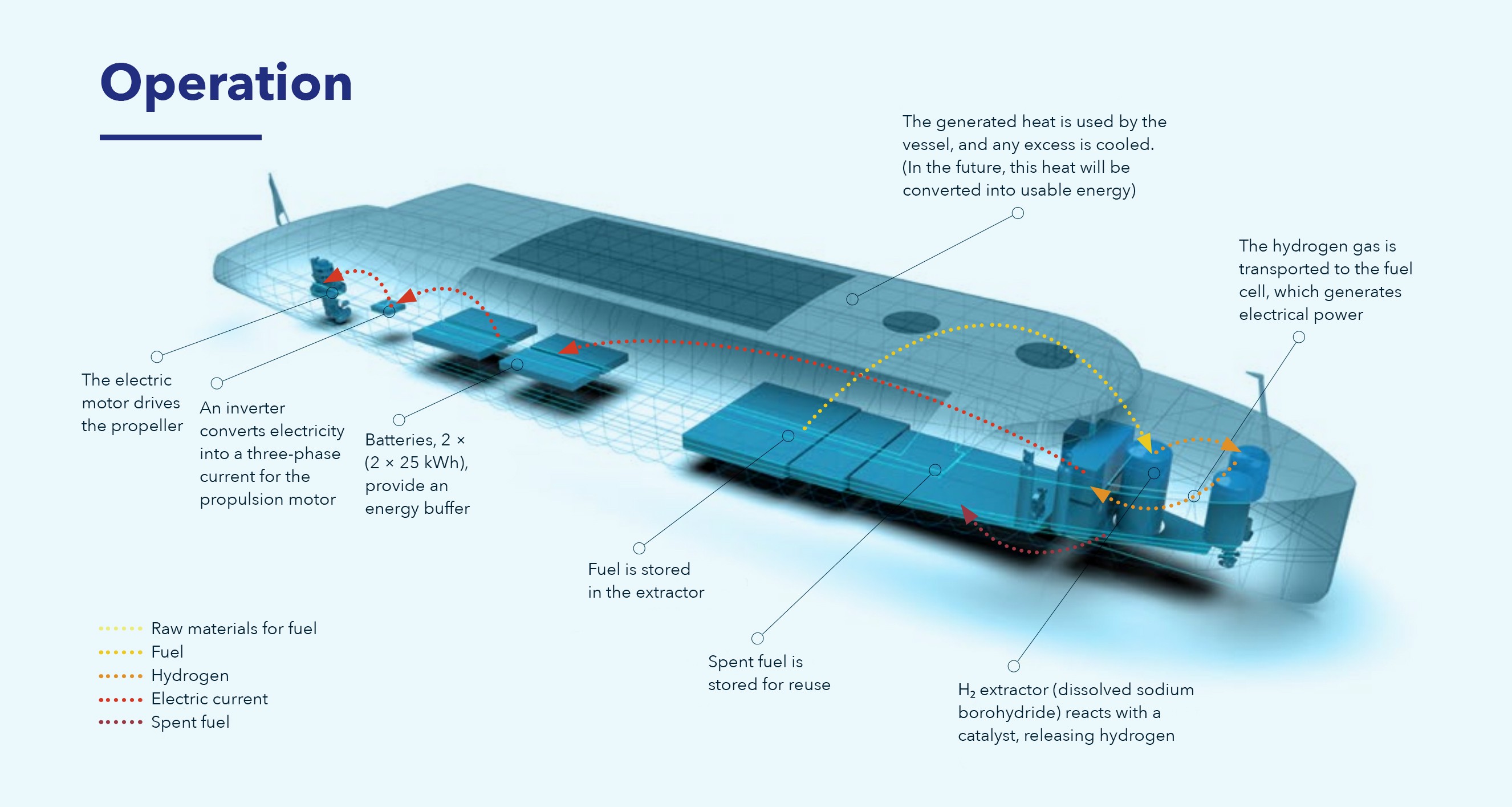
What makes the Neo Orbis unique is its ability to generate hydrogen onboard from a solid substance (sodium borohydride, NaBH₄), which is then used to produce electricity for propulsion. This technology enables safe, compact hydrogen storage in solid form as an alternative to conventional liquid or compressed hydrogen systems.
Vessel launch, Sea Trials and Delivery
The Neo Orbis was recently launched at the shipyard of Next Generation Shipyards in Lauwersoog.
Sea trials are scheduled for March/April, followed by final inspections and certification of the vessel. During this period, the hydrogen installation will be further completed and integrated.
After delivery, the vessel will be transferred to a new boathouse in the Port of Amsterdam, where it will be deployed as a director’s vessel for hosting guests and stakeholders during port operations.
A New Standard in Electric Propulsion
The Neo Orbis operates on an electric propulsion system powered by hydrogen. A fuel cell converts hydrogen into electricity, which is stored in batteries and used to drive the propulsion system.This hybrid-electric setup offers:
- Zero-emission operation
- High energy efficiency
- Reduced dependency on fossil fuels
The vessel is initially operated fully electric, with hydrogen integration enabling extended range and future scalability.
Thruster Solution by Current Motion
As part of the propulsion system, Current Motion supplied thruster technology designed for:
- Precise maneuverability in port environments
- Efficient integration with electric drive systems
- Compatibility with advanced energy systems such as hydrogen-electric setups
Electric thrusters play a critical role in vessels like the Neo Orbis, where control, efficiency, and responsiveness are essential.
Performance and Maneuverability
Operating in the Port of Amsterdam requires:
- High maneuverability in confined waterways
- Smooth and responsive control for passenger and demonstration purposes
- Reliable performance under varying operational conditions
Electric thrusters enable:
- Instant torque and response
- 360-degree thrust control (in case of azimuth systems)
- Optimised energy usage
These characteristics are essential for innovation vessels that operate in complex urban and port environments.
Hydrogen-Electric Propulsion Innovation
The Neo Orbis is the first vessel in the world capable of producing hydrogen onboard from a solid carrier (sodium borohydride).
This technology offers major advantages:
- Safe and compact hydrogen storage
- High energy density compared to conventional hydrogen storage
- Potential for circular fuel systems
By combining hydrogen with electric propulsion, the vessel demonstrates a scalable pathway towards fully emission-free maritime operations.
Sustainability Impact
The Neo Orbis contributes to:
- Reduction of CO₂ and NOx emissions
- Development of zero-emission shipping solutions
- Acceleration of the maritime energy transition
The vessel acts as a pilot project for broader adoption in:
- Inland shipping
- Short sea vessels
- Offshore and port operations
The future of sustainable shipping
The Neo Orbis is not just a vessel—it is a proof of concept for the future of marine propulsion.
For companies and operators, it demonstrates:
- The feasibility of hydrogen-electric propulsion
- The importance of integrated propulsion systems
- The role of advanced thruster technology in next-generation vessels
The Neo Orbis sets a new benchmark in sustainable shipping by combining hydrogen energy with electric propulsion. The integration of advanced thruster systems ensures that performance, maneuverability, and efficiency are not compromised.
Current Motion is proud to contribute to this pioneering project, supporting the transition towards zero-emission maritime solutions.
Looking to integrate electric propulsion in your vessel? Scroll down to Arij Huijser's contact information to request a consultation or a technical proposal.
Next post
Back to overview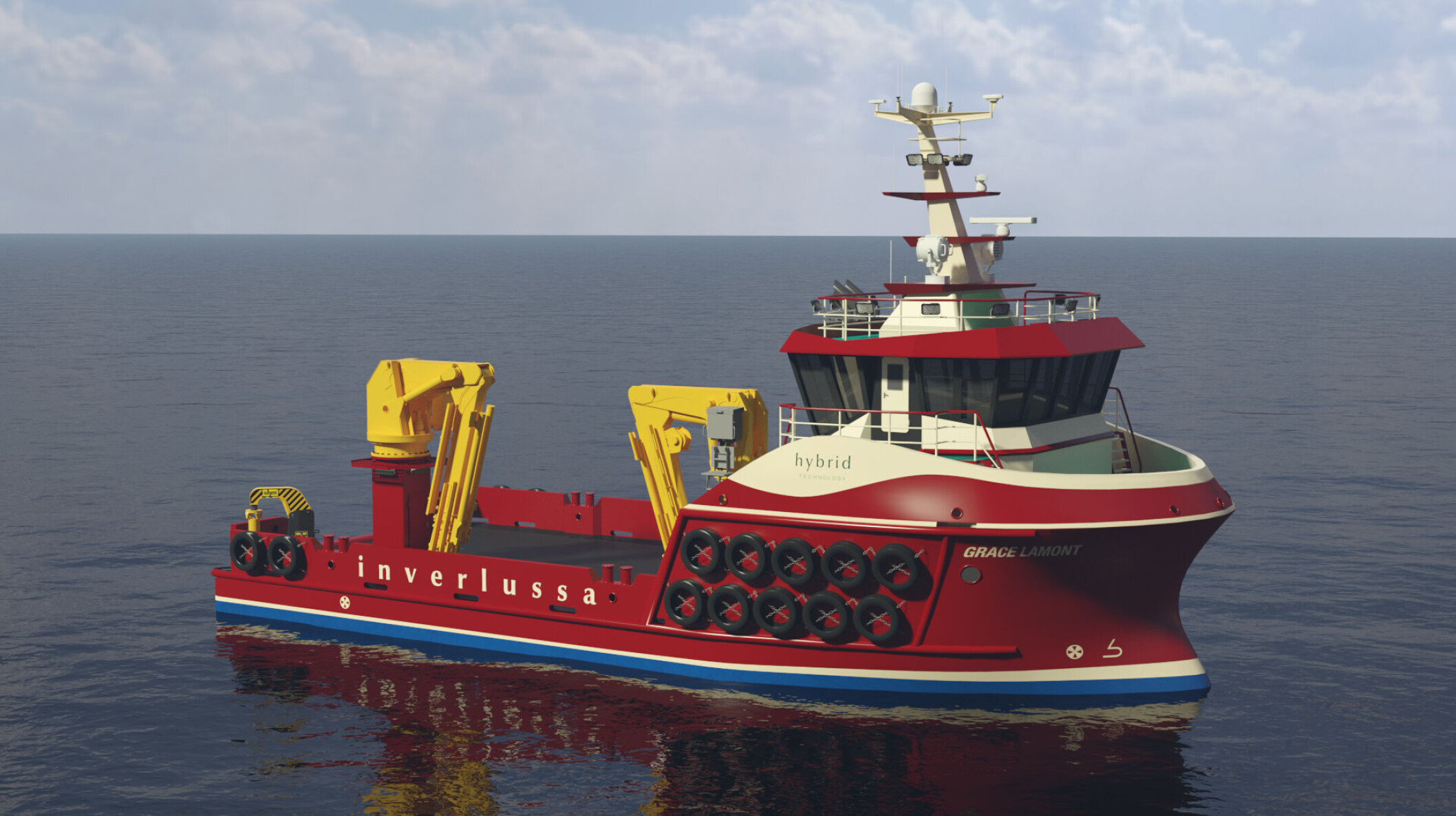
Bow and Stern Thrusters for Inverlussa's Fifth Nauplius-Built Aquaculture Vessel
Read more
Arij Huijser
Commercial director
Call
+31 612 585 160
Mail
huijser@currentmotion.nl
Also part of Blokland Group:

Electrically driven thrusters for workboats, canal cruisers, yachts, and inland vessels.
Visit website

Cooling solutions for marine and industry
Visit website

High-tech propulsion systems
Visit website

Precision seals and propulsion components.
Visit website

Next level anti-fouling solutions.
Visit website

Reliable electric propulsion for builders of boats, tenders, and commercial shipping.
Visit website
